Cable Extrusion Machines: Core Equipment for Insulation & Sheathing
Key Roles & Selection Guide for Cable Extrusion Machines
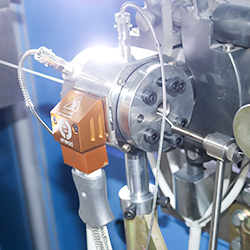
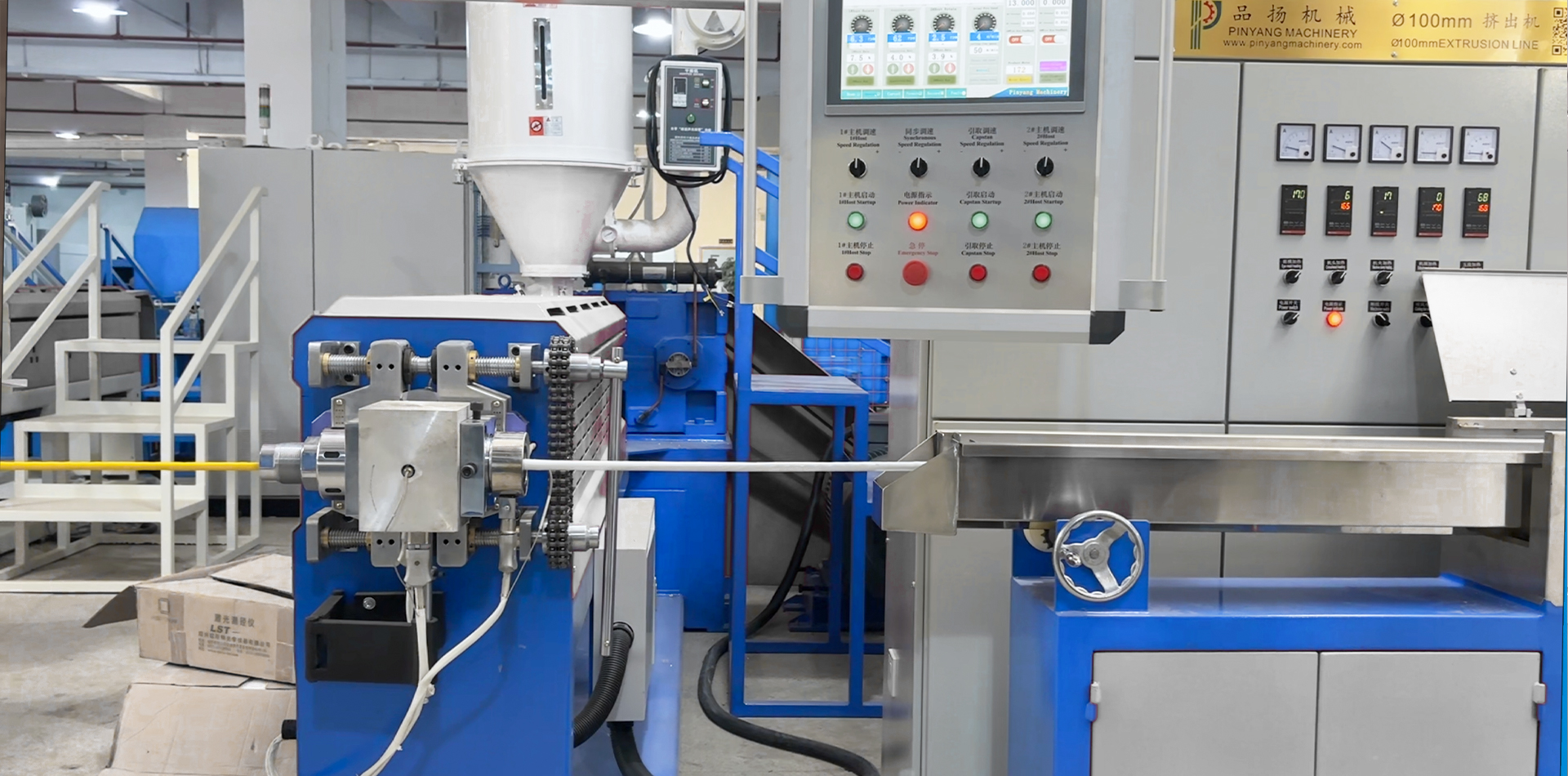
The core role of a cable extrusion machine is to process insulating or sheathing materials (e.g., PVC, XLPE, PE) through melting, extrusion and molding, applying a uniform protective layer to bare conductors or cable cores. This layer not only isolates conductors to prevent electrical leakage, but also enhances the cable’s resistance to moisture, corrosion, and mechanical wear—turning bare conductors into safe, functional cables for power, communication, and industrial use.
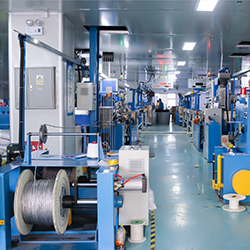
To select the right extrusion machine, focus on 4 critical aspects: 1) **Cable type & material**: Use physical foaming extruders for high-frequency data cables; triple-layer co-extruders for high-voltage power cables. 2) **Production demands**: Small-batch, multi-spec production suits compact single-screw machines; mass production needs high-speed, automatic large extruders. 3) **Precision requirements**: Signal cables (needing strict insulation thickness) require machines with closed-loop diameter control. 4) **Operational efficiency**: Energy-saving models with heat recovery are ideal for long-running lines; specialized screw designs fit flame-retardant materials.